What are the three basic psychological needs in Self-Determination Theory?, Money, Promotion, Recognition, Autonomy, Competence, Relatedness, Leadership, Teamwork, Salary, Which type of motivation comes from within a person?, Extrinsic Motivation, Controlled Motivation, Intrinsic Motivation, Which need refers to feeling connected to others?, Competence, Relatedness, Mastery, Which need refers to feeling capable and effective at work?, Competence, belonging, Autonomy, Autonomy means:, Being rewarded, Having freedom and control over your actions, Being promoted, An employee works hard because she enjoys solving challenging problems. This is:, Extrinsic Motivation, Controlled Motivation, Intrinsic Motivation, An employee works overtime to receive a bonus. This is:, Extrinsic Motivation, competence, According to SDT, managers should especially support employees’ need for:, Competition, Autonomy, Which regulation occurs when an activity is seen as valuable?, Identified Regulation, External Regulation, Integrated Regulation, Which regulation occurs when a person acts to obtain rewards or avoid punishment?, External Regulation, Integrated Regulation, Intrinsic Regulation, Which regulation occurs when an activity aligns with a person’s values?, Introjected Regulation, External Regulation, Integrated Regulation, An employee works hard because failing would make him feel guilty and unsuccessful. This is:, Introjected Regulation, Integrated Regulation, motivation, According to the chapter, too many extrinsic rewards may:, Improve relatedness, Inhibit intrinsic motivation, Increase intrinsic motivation, Which of the following is NOT one of the three basic needs in SDT?, Competence, Salary, Autonomy, Relatedness, A self-determined individual is someone who:, Only works for rewards, Determines actions based on personal values and goals, Avoids responsibility, Which of the following is a self-determination strategy that helps create flow at work?, Self-leadership, Job crafting, Strengths use, All of the above, When managers themselves have high autonomy, their employees are more likely to:, Have lower commitment, Have higher autonomy
0%
HRM
Share
Share
by
Nshamamit
ESL
I-edit ang Content
Save
Like
I-Print kini
Embed
Uban pa
Assignments
Leaderboard
Show more
Show less
Kini nga leaderboard naka-pribado. Pag-klik sa
Share
aron himuon kini nga publiko.
Kini nga leaderboard gi-disable sa tag-iya sa resource.
Kini nga leaderboard gi-disable tungod ang imong mga kapilian lahi ra sa tag-iya sa resource.
I-revert ang mga Kapilian
Ang
Open the box
usa ka open-ended nga template. Dili kini makamugna ug mga marka sa leaderboard.
Kinahanglan mag log in
Visual style
Fonts
Subscription required
Mga Option
More like this
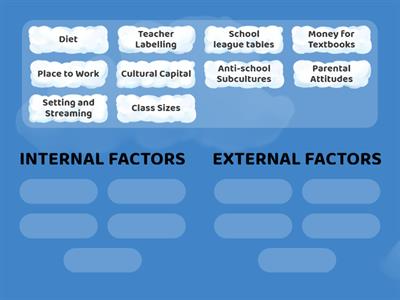
Internal Vs External Factors (Class Achievement)
by
Ihoole
Group sort
4
Questions on Motivation
by
Noetdeglini
Unjumble
4
Self-Regulation Strategies and Triggers
by
Rwarner3
Gameshow quiz
49
Motivation Psychology Today - questions
by
Teachingende
Open the box
2
Motivation and arousal
by
Sport9
Matching pairs
2
achieving success, self-help and psychology discussion questions
by
Almondsalmon
Open the box
7
Intrinsic&Extrinsic MOTIVATION
by
Eylemsyavuz
Open the box
1
Functional Communication & Self-Regulation Responses
by
Ruthajo1999
Quiz
4
I-switch ang template
Ipakita tanan
Open results
Copy link
QR code
Mag-delete
I-restore ang gi-autosave:
?