What are the three basic psychological needs in Self-Determination Theory?, Money, Promotion, Recognition, Autonomy, Competence, Relatedness, Leadership, Teamwork, Salary, Which type of motivation comes from within a person?, Extrinsic Motivation, Controlled Motivation, Intrinsic Motivation, Which need refers to feeling connected to others?, Competence, Relatedness, Mastery, Which need refers to feeling capable and effective at work?, Competence, belonging, Autonomy, Autonomy means:, Being rewarded, Having freedom and control over your actions, Being promoted, An employee works hard because she enjoys solving challenging problems. This is:, Extrinsic Motivation, Controlled Motivation, Intrinsic Motivation, An employee works overtime to receive a bonus. This is:, Extrinsic Motivation, competence, According to SDT, managers should especially support employees’ need for:, Competition, Autonomy, Which regulation occurs when an activity is seen as valuable?, Identified Regulation, External Regulation, Integrated Regulation, Which regulation occurs when a person acts to obtain rewards or avoid punishment?, External Regulation, Integrated Regulation, Intrinsic Regulation, Which regulation occurs when an activity aligns with a person’s values?, Introjected Regulation, External Regulation, Integrated Regulation, An employee works hard because failing would make him feel guilty and unsuccessful. This is:, Introjected Regulation, Integrated Regulation, motivation, According to the chapter, too many extrinsic rewards may:, Improve relatedness, Inhibit intrinsic motivation, Increase intrinsic motivation, Which of the following is NOT one of the three basic needs in SDT?, Competence, Salary, Autonomy, Relatedness, A self-determined individual is someone who:, Only works for rewards, Determines actions based on personal values and goals, Avoids responsibility, Which of the following is a self-determination strategy that helps create flow at work?, Self-leadership, Job crafting, Strengths use, All of the above, When managers themselves have high autonomy, their employees are more likely to:, Have lower commitment, Have higher autonomy
0%
HRM
Sdílet
Sdílet
podle
Nshamamit
ESL
Upravit obsah
Uložit
Jako
Tisk
Vložit
Více
Přiřazení
Výsledková tabule/Žebříček
Zobrazit více
Zobrazit méně
Tento žebříček je v současné době soukromý. Klikněte na
Share
chcete-li jej zveřejnit.
Tuto výsledkovou tabuli vypnul majitel zdroje.
Tento žebříček je zakázán, protože vaše možnosti jsou jiné než možnosti vlastníka zdroje.
Možnosti vrácení
Otevřít krabici
je otevřená šablona. Negeneruje skóre pro žebříček.
Vyžaduje se přihlášení.
Vizuální styl
Fonty
Je vyžadováno předplatné
Možnosti
Spíš takhle
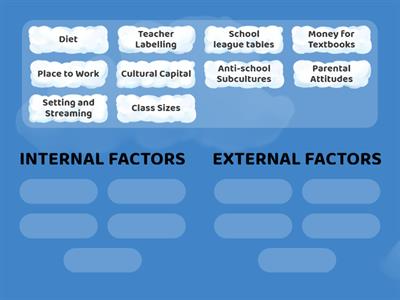
Internal Vs External Factors (Class Achievement)
podle
Ihoole
Třídění skupin
4
Questions on Motivation
podle
Noetdeglini
Zrušit zamíchání
4
Self-Regulation Strategies and Triggers
podle
Rwarner3
Soutěžní pořad - kvíz
49
Motivation Psychology Today - questions
podle
Teachingende
Otevřít krabici
2
Motivation and arousal
podle
Sport9
Shodné dvojice
2
achieving success, self-help and psychology discussion questions
podle
Almondsalmon
Otevřít krabici
7
Intrinsic&Extrinsic MOTIVATION
podle
Eylemsyavuz
Otevřít krabici
1
Functional Communication & Self-Regulation Responses
podle
Ruthajo1999
Kvíz
4
Přepnout šablonu
Zobrazit vše
Otevřené výsledky
Kopírovat odkaz
QR kód
Odstranit
Obnovit automatické uložení:
?