What are the three basic psychological needs in Self-Determination Theory?, Money, Promotion, Recognition, Autonomy, Competence, Relatedness, Leadership, Teamwork, Salary, Which type of motivation comes from within a person?, Extrinsic Motivation, Controlled Motivation, Intrinsic Motivation, Which need refers to feeling connected to others?, Competence, Relatedness, Mastery, Which need refers to feeling capable and effective at work?, Competence, belonging, Autonomy, Autonomy means:, Being rewarded, Having freedom and control over your actions, Being promoted, An employee works hard because she enjoys solving challenging problems. This is:, Extrinsic Motivation, Controlled Motivation, Intrinsic Motivation, An employee works overtime to receive a bonus. This is:, Extrinsic Motivation, competence, According to SDT, managers should especially support employees’ need for:, Competition, Autonomy, Which regulation occurs when an activity is seen as valuable?, Identified Regulation, External Regulation, Integrated Regulation, Which regulation occurs when a person acts to obtain rewards or avoid punishment?, External Regulation, Integrated Regulation, Intrinsic Regulation, Which regulation occurs when an activity aligns with a person’s values?, Introjected Regulation, External Regulation, Integrated Regulation, An employee works hard because failing would make him feel guilty and unsuccessful. This is:, Introjected Regulation, Integrated Regulation, motivation, According to the chapter, too many extrinsic rewards may:, Improve relatedness, Inhibit intrinsic motivation, Increase intrinsic motivation, Which of the following is NOT one of the three basic needs in SDT?, Competence, Salary, Autonomy, Relatedness, A self-determined individual is someone who:, Only works for rewards, Determines actions based on personal values and goals, Avoids responsibility, Which of the following is a self-determination strategy that helps create flow at work?, Self-leadership, Job crafting, Strengths use, All of the above, When managers themselves have high autonomy, their employees are more likely to:, Have lower commitment, Have higher autonomy
0%
HRM
Condividi
Condividi
di
Nshamamit
ESL
Modifica contenuto
Salva
Mi piace
Stampa
Incorpora
Altro
Compiti
Classifica
Mostra di più
Mostra meno
Questa classifica è privata. Fai clic su
Condividi
per renderla pubblica.
Questa classifica è stata disattivata dal proprietario della risorsa.
Questa classifica è disattivata perché le impostazioni sono diverse da quelle del proprietario della risorsa.
Ripristina le opzioni
Apri la scatola
è un modello a risposta aperta. Non genera punteggi validi per una classifica.
Login necessario
Stile di visualizzazione
Tipi di caratteri
Abbonamento richiesto
Opzioni
Più così
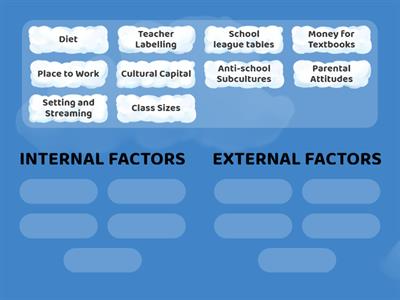
Internal Vs External Factors (Class Achievement)
di
Ihoole
Organizza per gruppo
4
Questions on Motivation
di
Noetdeglini
Riordina
4
Self-Regulation Strategies and Triggers
di
Rwarner3
Telequiz
49
Motivation Psychology Today - questions
di
Teachingende
Apri la scatola
2
Motivation and arousal
di
Sport9
Memory
2
achieving success, self-help and psychology discussion questions
di
Almondsalmon
Apri la scatola
7
Intrinsic&Extrinsic MOTIVATION
di
Eylemsyavuz
Apri la scatola
1
Functional Communication & Self-Regulation Responses
di
Ruthajo1999
Quiz
4
Cambia modello
Mostra tutto
Apri risultati
Copia link
Codice QR
Elimina
Ripristinare il titolo salvato automaticamente:
?