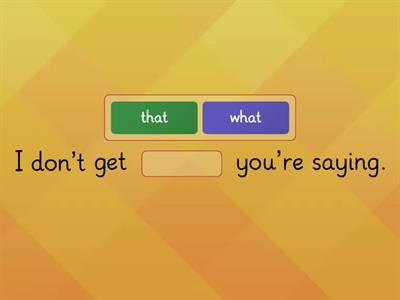
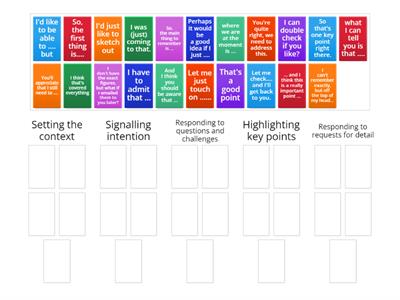
When someone says something unclear in a conversation, what clues help you decide what you should look into before reacting?, How can following up on a confusing message sometimes make misunderstandings worse instead of better?, What’s your strategy to figure out what someone “really meant” when their words and tone don’t match?, When a misunderstanding happens in a conversation, is it better to quickly come up with a solution or first slow down and clarify — why?, Why do people sometimes avoid addressing an issue directly, even when they already sense something was misunderstood?
0%
IT1
แชร์
แชร์
โดย
Stasgorban20
แก้ไขเนื้อหา
บันทึก
ถูกใจ
สั่งพิมพ์
ฝัง
เพิ่มเติม
กำหนด
ลีดเดอร์บอร์ด
แสดงเพิ่มขึ้น
แสดงน้อยลง
ลีดเดอร์บอร์ดนี้ตอนนี้เป็นส่วนตัว คลิก
แชร์
เพื่อทำให้เป็นสาธารณะ
ลีดเดอร์บอร์ดนี้ถูกปิดใช้งานโดยเจ้าของทรัพยากร
ลีดเดอร์บอร์ดนี้ถูกปิดใช้งานเนื่องจากตัวเลือกของคุณแตกต่างสำหรับเจ้าของทรัพยากร
แปลงกลับตัวเลือก
เปิดกล่อง
เป็นแม่แบบแบบเปิดที่ไม่ได้สร้างคะแนนสำหรับลีดเดอร์บอร์ด
ต้องลงชื่อเข้าใช้
สไตล์ภาพ
แบบ อักษร
ต้องสมัครสมาชิก
ตัวเลือก
แบบนี้อีก
Communication - clarifying
โดย
Offbookenglish
การเรียงลำดับกลุ่ม
12
Dealing with misunderstanding
โดย
Anastacey
เติมประโยคให้สมบูรณ์
3
Speakout Intermediate Unit 3.3 Dealing with misunderstandings
โดย
Xandracher
ทำให้ไม่สับสนปนเป
15
Communication - clarifying - check yourself
โดย
Jkomorek
การเรียงลำดับกลุ่ม
7
dealing with difficult questions
โดย
Reecesanderson
การเรียงลำดับกลุ่ม
7
SpeakOut_Int_3.3_dealing with misunderstandings
โดย
47gnom
แบบทดสอบ
3
Change - conversation questions
โดย
Eslnatalie
เปิดกล่อง
4
AI-CONVERSATION QUESTIONS
โดย
U86339667
ล้อสุ่ม
4
สลับแม่แบบ
แสดงทั้งหมด
เปิดผลลัพธ์
คัดลอกลิงค์
คิวอาร์โค้ด
ลบ
คืนค่าการบันทึกอัตโนมัติ:
ใช่ไหม