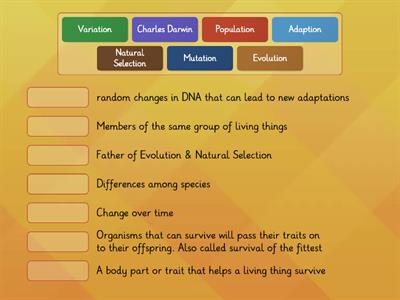
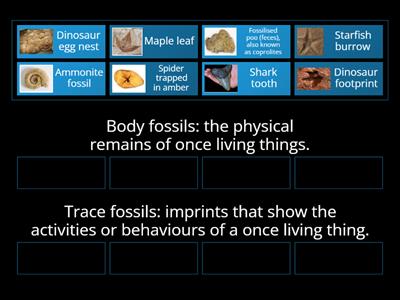
Biological Evolution, the change of living things over time, Mutations, changes in DNA that sometimes change and organism’s traits, Variations, small differences in a single trait, Adaptations, inherited traits that increase an organism’s chance of surviving and reproducing in its environment, Structural Adaptations, adaptations related to the physical features of an organism, Behavioral Adaptations, adaptations related to the way that an organism acts, Functional Adaptation, adaptations related to how an organism’s body actually works, Camouflage, An adaptation that allows a species to blend in with its environment, Mimicry, An adaptation that allows one organism to look like another organism, Migration, Seasonal movement from one area to another, Group Living, An adaptation where organisms live together for protection, to get food, and to have complex societies, Communication, An adaptation where organisms send messages to each other through sound, colors, smells,, Warm Blooded, Organisms who can control their own body temperature, Cold Blooded, Organisms who need the environment to help them control their body temperature, Natural Selection, the process where individuals with better traits/variations for the environment survive better and reproduce more than other individuals, Overpopulation, Species must reproduce and overpopulate., Variation, All offspring will have slightly different traits., Competition, The organisms that are the best suited for their environments will outlive others and survive. “Survival of the Fittest” (for their environment), Selection, The survivors that are “selected” can pass their more favorable traits on to their offspring. Selected means that an organism just happened to be able to survive, Artificial Selection, The process where humans breed organisms to produce desirable traits until a new species or subspecies is created, Fossil Record, All the fossils ever found on Earth, Fossil, The remains or traces of an organism that are usually preserved in rock, Extinction, When the last individual of a species dies, Mineralization, Tissues in the organism are replaced by minerals The organism appears to “turn to stone”, Carbonization, Organism is pressed under layers of rock over a long period of time Requires a lot of pressure & only outline remains, Molds and Casts, Mold - an impression of an organism, Cast - a fossil copy of an organism, Trace Fossils, The evidence of activity of an organism, Original Material, Actual material of an organism preserved in a substance like amber or ice, Homologous, Body parts that have the same structure but different functions/jobs, Analogous, Body parts that have the same function/job but a different structure, Vestigial, Body parts that no longer serve their original purpose/function
0%
Evolution
Bendrinti
Bendrinti
prie
Miphair
G6
Science
Redaguoti turinį
Išsaugoti
Patinka
Spausdinti
Įterpti
Daugiau
Užduotis
Lyderių lentelė
Rodyti daugiau
Rodyti mažiau
Ši lyderių lentelė šiuo metu yra privati. Spustelėkite
Bendrinti
, kad ji būtų vieša.
Ši lyderių lentelė buvo išjungta išteklių savininko.
Ši lyderių lentelė yra išjungta, nes jūsų parinktys skiriasi nuo nustatytų išteklių savininko.
Grąžinti parinktis
"Flash" kortelės
yra neterminuotas šablonas. Jis negeneruoja rezultatų lyedrių lentelei.
Reikia prisijungti
Vizualinis stilius
Šriftai
Būtina prenumerata
Parinktys
Labiau taip.
Evolution & Natural Selection
prie
Msondrusbiology
Rask tinkamą
36
Year 6 Evolution - Body Fossils & Trace Fossils
prie
Ahamilton
Priskyrimas grupėms
5
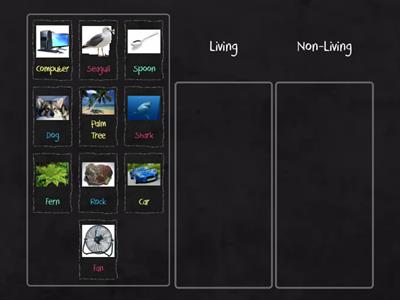
Science Living Things
prie
Kcksaunders89
Priskyrimas grupėms
6
Evidence of Evolution (Part 2)
prie
Albredehoft
Žodžių paieška
3
Science Quiz- Adaptation
prie
Ishajha23aug
Lėktuvas
3
Science Terms (Intro to Evolution)
prie
Caitlyn21
Rask tinkamą
3
Evolution & Natural Selection Terms
prie
Leahy
Rask tinkamą
3
Adaptations of Living Things
prie
P0076663
Priskyrimas grupėms
4
Pakeisti šabloną
Rodyti viską
Atviri rezultatai
Kopijuoti nuorodą
QR kodas
Naikinti
Atkurti automatiškai įrašytą:
?