Which layer of the Earth is broken into tectonic plates?, Inner Core, Outer Core, Mantle, Lithosphere, What theory explains the movement of Earth's lithospheric plates?, Continental Drift Theory, Plate Tectonics Theory, Big Bang Theory, Cell Theory, Which scientist proposed the Continental Drift Theory?, Charles Darwin, Alfred Wegener, Isaac Newton, James Hutton, What is the main source of energy that drives plate movement?, Wind, Ocean currents, Convection currents in the mantle, Earth's magnetic field, Which plate boundary occurs when two plates move away from each other?, Transform, Convergent, Divergent, Subduction, Which greenhouse gas is produced in the greatest amount by human activities?, Oxygen, Carbon dioxide, Nitrogen, Helium, Which human activity contributes the most to climate change?, Recycling, Planting trees, Composting, Burning fossil fuels, Which of the following is considered weather rather than climate?, Average rainfall over 30 years, Average temperature of a region, A typhoon occurring today, Long-term seasonal patterns, Which gas helps trap heat in Earth's atmosphere?, Hydrogen, Carbon dioxide, Neon, Argon, What is the average period used to define climate?, 1 year, 5 years, 10 years, 30 years, Why did Alfred Wegener believe continents were once connected?, They have similar climates., They fit together like puzzle pieces., Oceans were smaller., Mountains moved., What usually forms at a convergent plate boundary?, Rift valleys, Volcanoes and mountain ranges, Mid-ocean ridges, Sand dunes, Why do earthquakes commonly occur along plate boundaries?, Wind pressure, Earth's rotation, Ocean waves, Plate movement releases energy, What happens during subduction?, Plates slide past each other., Volcanoes disappear., Plates separate., One plate sinks beneath another., Why is carbon dioxide called a greenhouse gas?, It cools the atmosphere., It reflects sunlight., It traps heat in the atmosphere., It produces oxygen., Which statement best distinguishes weather from climate?, Weather lasts longer., Climate changes every hour., Weather is short-term; climate is long-term., They mean the same thing., Which is an effect of global warming?, Lower sea levels, Melting glaciers, Less evaporation, More permanent snow, Why are forests important in reducing climate change?, They absorb carbon dioxide., They produce methane., They increase pollution., They reflect heat., Which plate boundary is most likely to produce new oceanic crust?, Transform, Divergent, Convergent, Collision, Which natural process can temporarily cool Earth's climate?, Deforestation, Volcanic eruptions releasing ash, Burning coal, Urbanization, A community experiences frequent earthquakes and volcanic eruptions. What can you infer?, It is near a plate boundary., It is near the equator., It has many rivers., It is above sea level., If two continental plates collide, what landform is most likely to form?, Ocean trench, Mountain range, Coral reef, Delta, Which action best reduces carbon emissions?, Using coal-fired electricity, Driving gasoline vehicles daily, Using renewable energy, Burning waste, Why should coastal communities prepare for climate change?, Increased risk of sea-level rise, More earthquakes, Less rainfall everywhere, Stronger gravity, Farmers notice that planting seasons have shifted. Which is the most likely explanation?, Plate movement, Climate change, Earth's rotation stopped, Lunar phases, Which technology helps monitor tectonic plate movement?, GPS satellites, Telescope, Microscope, Thermometer, Why are buildings in earthquake-prone areas designed differently?, To make them taller, To prevent flooding, To reduce rainfall, To resist ground shaking, Which community action best addresses climate change?, Increasing fossil fuel use, Expanding forests, Burning plastics, Removing parks, Which event demonstrates the interaction between plate tectonics and climate?, Earthquake-triggered tsunami affecting coastal ecosystems, Daily sunrise, Moon phases, Wind direction changes, Which is the best adaptation strategy for areas experiencing stronger typhoons?, Remove drainage systems, Build stronger infrastructure, Cut more trees, Increase urban flooding, A scientist observes increasing atmospheric carbon dioxide and rising global temperatures. What conclusion is best supported?, Volcanoes have stopped erupting., Earth is cooling., Weather causes climate., Carbon dioxide contributes to global warming., Two coastal cities experience sea-level rise, but only one experiences severe flooding. What is the best explanation?, Sea-level rise affects all places equally., Local geography and preparedness influence impacts., Climate change affects only one city., Plate movement causes identical effects., Why do scientists use evidence from fossils, rock formations, earthquakes, and GPS together when studying plate tectonics?, Earthquakes measure climate., GPS is inaccurate., Fossils predict weather., One source alone is insufficient., Which statement best compares mitigation and adaptation?, Mitigation reduces causes; adaptation reduces impacts., They mean exactly the same thing., Mitigation prepares for disasters only., Adaptation removes greenhouse gases., Scientists predict stronger typhoons, rising sea levels, and more extreme weather. Which response demonstrates the best use of scientific evidence?, Ignore the predictions because weather changes daily., Develop disaster preparedness plans while reducing greenhouse gas emissions., Wait until disasters become more frequent., Build more coal power plants., How can a major volcanic eruption affect climate over the next few years?, Short-term cooling, Sea level rise, Less erosion, Plate slowdown, Why might sea-level rise create greater risk in a coastal region near an active plate boundary?, Fewer storms, Cleaner air, Double hazards, Slower tides, A country sits on the Pacific Ring of Fire and also faces stronger storms. Which plan best reduces overall risk?, Only seawalls, Multi-hazard planning, Stop farming, Ignore volcanoes, Why can earthquakes triggered under the ocean make climate-related coastal disasters more damaging?, Lower salinity, Cooler seasons, Plate melting, Tsunami flooding, How does studying past mountain building help scientists understand long-term climate change?, Predicts daily weather, Stops eruptions, Moves continents, Shows climate links
0%
Practice Test
Bendrinti
Bendrinti
prie
Educationalapps
G10
Science
Redaguoti turinį
Išsaugoti
Patinka
Spausdinti
Įterpti
Daugiau
Užduotis
Lyderių lentelė
Rodyti daugiau
Rodyti mažiau
Ši lyderių lentelė šiuo metu yra privati. Spustelėkite
Bendrinti
, kad ji būtų vieša.
Ši lyderių lentelė buvo išjungta išteklių savininko.
Ši lyderių lentelė yra išjungta, nes jūsų parinktys skiriasi nuo nustatytų išteklių savininko.
Grąžinti parinktis
TV žaidimo tipo viktorina
yra neterminuotas šablonas. Jis negeneruoja rezultatų lyedrių lentelei.
Reikia prisijungti
Vizualinis stilius
Šriftai
Būtina prenumerata
Parinktys
Labiau taip.
Climate change - The environment (8th grade)
prie
Sinisavuksan
Rask tinkamą
10
Inside the Earth, Continental Drift, Plate Tectonics & Plate Boundaries
prie
Jthompson4
Rasti tinkamą
6
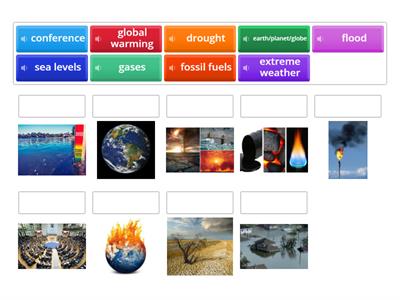
Climate Change Vocabulary in Context
prie
Leslyborge
Viktorina
7
Extreme weather. Quiz
prie
W1517816
Viktorina
12
Climate Change Vocabulary
prie
Johnbudis
Rask tinkamą
6
Climate Change Vocabulary
prie
Vcheung
Rask tinkamą
9
The Earth's Climate
prie
Nmilton
Viktorina
7
Layers of the Earth Practice
prie
Gouchwhitney
Diagrama su kortelėmis
9
Pakeisti šabloną
Rodyti viską
Atviri rezultatai
Kopijuoti nuorodą
QR kodas
Naikinti
Atkurti automatiškai įrašytą:
?