What is reading?, A. Looking at pictures only, B. Looking at words and understanding what they mean, C. Memorizing every word in a book, D. Writing words on a page, What does it mean when we say that reading is “decoding written symbols”?, A. Drawing pictures from a story, B. Looking at letters and knowing what word they make, C. Writing a story, D. Reading only numbers, Reading is a process of communication between the _____., A. Teacher and student, B. Author and reader, C. Parent and child, D. Speaker and listener, Why is simply saying the words not enough when reading?, A. Because reading should be done quickly, B. Because readers should also understand what the words mean, C. Because books have pictures, D. Because words should be copied, How can reading make us well informed?, A. It helps us learn new things., B. It makes us sleep longer., C. It prevents us from asking questions., D. It makes us avoid books., How can reading become a source of inspiration?, A. It can encourage us to do good things or never give up., B. It makes problems disappear immediately., C. It teaches us to avoid challenges., D. It prevents us from learning new things., Which part of a book protects the book and makes it attractive?, A. Index, B. Glossary, C. Cover, D. Bibliography, Which part is found at the left side of the book and holds the pages together?, A. Spine, B. Index, C. Title page, D. Preface, Which part of the book gives the title, subtitle, authors, coordinators, illustrators, and publisher?, A. Copyright page, B. Title page, C. Glossary, D. Index, What information can be found on the copyright page?, A. Only the author's picture, B. The date the book was first published and the ISBN, C. Only the chapter titles, D. Only difficult words, What does ISBN stand for?, A. International Story Book Number, B. International School Book Name, C. Important Serial Book Note, D. International Serial Book Number, Which part protects the book from unauthorized copying?, A. Copyright page, B. Table of Contents, C. Index, D. Spine, Which part gives a list of topics or selections grouped into units or chapters?, A. Bibliography, B. Table of Contents, C. Glossary, D. Preface, Which part explains the author's purpose for writing the book and guides readers on how to use it?, A. Preface/Foreword, B. Index, C. Spine, D. Body, Which part is considered the “heart” of the book because it contains the author's information or ideas?, A. Cover, B. Body/Text, C. Index, D. Copyright page, What is a bibliography?, A. A list of difficult words, B. A list of reading materials used by the author, C. A list of chapter titles, D. A list of page numbers only, Which of the following may be included in a bibliography?, A. Books, magazines, journals, newspapers, and websites, B. Only dictionaries, C. Only textbooks, D. Only newspapers, Which part of the book is considered a “mini dictionary”?, A. Index, B. Glossary, C. Preface, D. Spine, What does an index contain?, A. A list of topics arranged alphabetically with page numbers, B. A list of authors only, C. A list of illustrations, D. A list of difficult words with meanings, When is a vowel considered long?, A. When it is followed by a consonant, B. When it is always at the end of a word, C. When its sound is the same as the name of the letter, D. When it is written in capital letters, When is a vowel considered short?, A. When its sound is the same as its letter name, B. When its sound is not the same as the vowel letter, C. When it is written twice, D. When it has a macron, What is a macron?, A. A small curved mark above a vowel, B. A mark placed after a word, C. A line placed below a consonant, D. A straight line placed above a vowel, What does a macron tell us?, A. The vowel has a short sound., B. The vowel has a long sound., C. The word is plural., D. The word is a noun., Which word shows the use of a macron?, A. rŏck, B. zăp, C. cōne, D. twĭn, What is a breve?, A. A straight line above a vowel, B. A small curved mark above a vowel, C. A mark below a vowel, D. A punctuation mark, What does a breve indicate?, A. A long vowel sound, B. A plural noun, C. A silent letter, D. A short vowel sound, Which word shows the use of a breve?, A. drēam, B. tūbe, C. cōne, D. rŏck, What does alphabetizing mean?, A. Arranging words according to their length, B. Arranging words or names in alphabetical order, C. Arranging words according to meaning, D. Arranging sentences by size, What is a dictionary?, A. A book containing only stories, B. A reference book containing words, meanings, pronunciation, parts of speech, and other information, C. A book containing only pictures, D. A book containing only poems, What is an entry word?, A. A word listed and defined in a dictionary, B. A word written by the reader, C. A word found only in a story, D. A word at the end of a sentence, How are entry words usually arranged in a dictionary?, A. By length, B. Alphabetically, C. By color, D. By meaning, Which of the following is a part of speech?, A. Noun, B. Chapter, C. Index, D. Title, What does the definition of a word tell us?, A. How to spell another word, B. What the word means, C. Where the word is located, D. Who wrote the dictionary, What are guide words?, A. Words found at the bottom of a page, B. Words used in sentences, C. Difficult words in a story, D. The first and last words on a dictionary page, Where are guide words usually found?, A. At the top of a dictionary page, B. At the bottom of a page, C. In the middle of the book, D. On the back cover, What does the first guide word on the left indicate?, A. The last entry word on the page, B. The first entry word on the page, C. The title of the dictionary, D. The author's name, What does the guide word on the right indicate?, A. The first entry word on the page, B. The page number, C. The last entry word on the page, D. The definition of a word, If a word falls alphabetically between the two guide words, what does it mean?, A. The word is probably found on that page., B. The word is not in the dictionary., C. The word must be spelled incorrectly., D. The word is in the bibliography., Suppose the guide words are “apple” and “banana.” Which word could be found on that page?, A. zebra, B. mango, C. avocado, D. orange, What are explicit details?, A. Details clearly stated by the author, B. Details that are completely imaginary, C. Details that are never mentioned, D. Details found only in pictures, Which situation shows an explicit detail?, A. You think Maria is tired because she yawns., B. You guess that Maria is a student because she carries a bag., C. The story directly says, “Maria went to school at 7:00 a.m.”, D. You infer that Maria likes school., What are implicit details?, A. Details directly written by the author, B. Details that are not directly stated but are implied, C. Details listed in the title, D. Details found in the index, The story says, “Leo grabbed an umbrella before leaving the house. Dark clouds filled the sky.” What can you infer?, A. Leo is going swimming., B. It is a very sunny day., C. Leo is going to the beach., D. It may rain., What are characters?, A. The place where the story happens, B. The people or animals who play a role in the story, C. The lesson of the story, D. The events only, What is the setting?, A. The time and place where the story happens, B. The lesson of the story, C. The main problem, D. The ending, What is the plot?, A. The title of the story, B. The series of events that take place in the story, C. The lesson learned, D. The characters' names, What happens in the beginning of a story?, A. The problem or conflict of the main character is introduced., B. The problem is always solved., C. The moral is explained., D. The characters disappear., What usually happens in the middle of the story?, A. The book ends immediately., B. The story has no events., C. The main character works toward solving the problem., D. The characters are introduced for the first time only., What happens at the end or conclusion?, A. The characters are introduced., B. The problem is solved or resolved., C. The setting is always changed., D. The title is explained., What is the moral of a story?, A. The name of the author, B. The lesson of the story, C. The setting, D. The main character, What is fiction?, A. A story based completely on facts, B. A story that comes from the author's imagination, C. A newspaper article, D. A historical record, Which statement about fiction is TRUE?, A. It must always be completely true., B. It comes from the author's imagination, although some parts may seem real., C. It is always a biography., D. It only contains real events., What type of fiction often has animals that talk and act like people and teaches a lesson?, A. Legend, B. Fable, C. Essay, D. Biography, What is a folktale?, A. A fictional tale by an unknown author passed down orally through generations, B. A person's life story written by himself, C. A daily record, D. A factual account of history, Which type of story is a fantasy tale often involving a conflict between good and evil and usually having a happy ending?, A. Essay, B. History, C. Biography, D. Fairy tale, What is a legend?, A. A story that explains the beginning or origin of something, B. A daily personal record, C. A factual article, D. A short opinion paragraph, What is a short story?, A. A long nonfiction book, B. A brief fictional prose narrative that is shorter than a novel, C. A dictionary entry, D. A biography, What is nonfiction?, A. A story from imagination, B. A fantasy story, C. Writing based on true accounts and facts, D. A fable, What is a biography?, A. A person's own life story written by himself, B. The life story of somebody other than the author, C. A fictional story about animals, D. A daily record, What is an autobiography?, A. A person's own life story written by himself or herself, B. A story about an imaginary character, C. A book of historical events, D. A story written by someone else about a person, Which nonfiction form is a short piece of prose that discusses something from a personal point of view?, A. Fairy tale, B. Fable, C. Legend, D. Essay, What is a diary?, A. A daily written record of the writer's own experiences, B. A list of dictionary words, C. A fictional story, D. A biography written by another person, What is history?, A. An imaginary story, B. An account of what has happened in the past, C. A fantasy tale, D. A personal diary
0%
MULTIPLE CHOICE
Share
Share
by
Drmanalang
Edit Content
Save
Like
Print
Embed
More
Assignments
Leaderboard
Show more
Show less
This leaderboard is currently private. Click
Share
to make it public.
This leaderboard has been disabled by the resource owner.
This leaderboard is disabled as your options are different to the resource owner.
Revert Options
Quiz
is an open-ended template. It does not generate scores for a leaderboard.
Log in required
Visual style
Fonts
Subscription required
Options
More like this
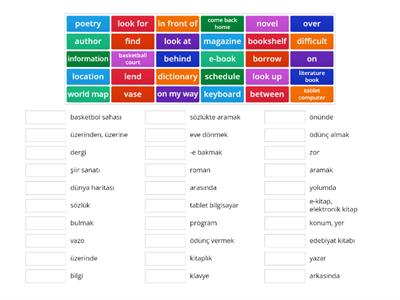
Vocabulary - Words about books
by
Alexia0104
Match up
33
Form 6 Unit 8 Lesson 5 Are you a bookworm?
by
Oksanasazanovic
Spin the wheel
6
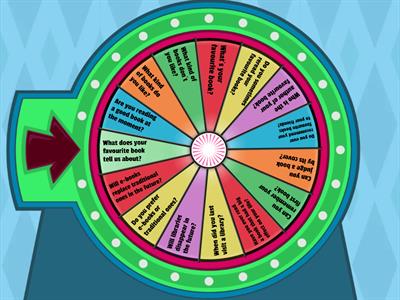
QUESTIONS ABOUT BOOKS
by
Margotch63
Spin the wheel
10
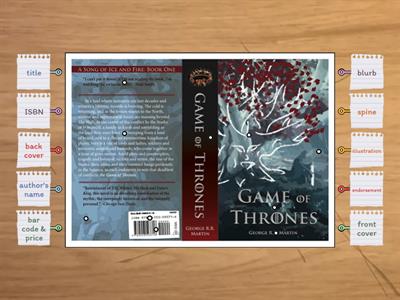
Label the Parts of a book
by
Reinalyn
Labelled diagram
7
Purpose of Text - Reading Exam
by
Adrian140
Flip tiles
7
Book 6 Post Test - D. Read These Words
by
Muziqlstudio
Matching pairs
6
What's in a Book?
by
Toothyworm
Labelled diagram
10
6th grade english unit 8 - bookworms quiz 2
by
Oykuozcan
Match up
5
Switch template
Show all
Open results
Copy link
QR code
Delete
Continue editing:
?